What happens in the brain during nondual meditation?

In nondual meditation, the mist can clear to reveal a previously hidden path. Credit: Neil Williamson/Flickr

Research has shown that focused attention (FA) meditation can combat stress, and that open monitoring (OM) can help with emotion regulation. A more advanced technique, known as “nondual” or “open awareness”, begins to dissolve the illusory distinctions between oneself and the rest of the world, and can even provide meditators with flashes of creative or spiritual insight.

Nondual awareness is a state of mind that helps people to think outside their boxes – the “boxes” being our established mental models of how the world works and our place in it.

We build these mental models through learning over the course of a lifetime. They are invaluable, but over time they can become increasingly rigid and unfit for purpose. Rather than helping, they perpetuate old habits and preclude fresh insights.

Continue reading “What happens in the brain during nondual meditation?”

What happens in your brain as you become more aware of how the mind works?

Three networks interact to determine the focus of our attention – the executive, salience and default mode. Credit: AI

It’s perfectly normal to experience emotions such as anger, frustration and anxiety as you sit in front of your computer fielding work messages. The trouble starts when these feelings spiral out of control, causing chronic stress and harming your mental and physical wellbeing.

Meditations that involve open monitoring or “OM” (such as the guided meditation below) teach us to notice when negative thoughts and feelings arise – then simply let them go. We learn to become more aware of these mental events without getting involved with them.

Continue reading “What happens in your brain as you become more aware of how the mind works?”

What happens in your brain and body during focused attention meditation?

FA meditation activates a branch of the nervous system that restores calm after a threat has passed. Credit: AI

In focused-attention (FA) meditation, the meditator directs their attention towards a neutral bodily sensation, and gently returns it to that sensation whenever they notice that their mind has wandered. In Shamatha meditation, for example, the focus of attention is the sensations associated with breathing in and out.

Focusing our attention in this way helps to replace the fight-or-flight response with the relaxation response. This kind of meditation activates the “parasympathetic nervous system”, which is the branch of the autonomic (or “involuntary”) nervous system that restores calm after an immediate threat has passed. The parasympathetic nervous system slows our breathing and heart rate, for example, and promotes digestion.

Continue reading “What happens in your brain and body during focused attention meditation?”

What happens in your brain as you check your emails?

boxing-fight-or-flight
Email can trigger physiological responses that evolved to help us see off aggressive rivals. Credit: West Point/Flickr

The “fight-or-flight” response evolved in our distant ancestors to prime their hearts, muscles and lungs for action, giving them that vital extra boost to escape ravenous predators or see off aggressive rivals. After the immediate threat had passed, a “relaxation” or “rest and digest” response kicked in to restore their overexcited bodies to a state of calm better suited for more restful activities, such as feeding and grooming.

But in modern humans, technologies such as social media and email can keep our fight-or-flight response constantly switched on by continually presenting us with stimuli that provoke feelings of excitement, fear or aggression.

Continue reading “What happens in your brain as you check your emails?”

Can acid dissolve the social isolation of autism and Asperger’s syndrome?

eyes
An inability to intuit other people’s thoughts, emotions and intentions in their eyes is a hallmark of autism and Asperger’s. Photograph: Lior Mosko/Flickr

Aaron Paul Orsini felt utterly alone in the world: emotionally numb and devoid of any sense of connection with anybody, including himself. Sunk deep in depression since his teens, he spent much of his time alone in his bedroom, as he puts it, “trying to figure out how the game of being human worked … I kept going to therapy. I kept reading books. I kept working at my desk job. I kept trying new medications. I kept failing, time and time again, with the simple act of identifying the emotional needs of myself and others.”

He spoke to his therapist about his struggles to maintain contact with friends and make new ones, “and how even one-on-one moments felt very confusing at times. I was physically close to people such as my girlfriend, but still very much emotionally distant, from her, myself, and really, everyone in my life.”

At 23 he was at last given a diagnosis that made sense of his tortured efforts to connect socially: autism spectrum disorder. But while the revelation was intellectually interesting, he says, it left him in precisely the same bind: unable to make sense of his own emotions or others’, “feeling irretrievably broken” and increasingly having thoughts about ending it all. Continue reading “Can acid dissolve the social isolation of autism and Asperger’s syndrome?”

Meditation brightens mood by pumping up dopamine levels

snowman
Happy Christmas! Image: pixabay

In an age of instant gratification and limited attention spans, why would anyone take up meditation? Perhaps for its soothing, stress-busting effects? Focusing on their breath or a mantra, even beginners start to notice the calming influence of their body’s “relaxation response”, the physiological flipside of the adrenaline-fuelled fight-or-flight response. Among other things the relaxation response slows respiration and heart rate, eases muscle tension and lowers blood pressure, and the changes are associated with a quieting of the brain’s “default mode network”, responsible for mind-wandering, rumination and worry.

But can that really be the whole story?

A peaceful mind is a wonderful thing and for many this is the biggest incentive to meditate regularly – not least for those of us prone to anxiety and depression – but there is another, related benefit that has received scant scientific or medical attention: meditation can be pleasurable, even ecstatic. In the Buddhist meditation known as jhana, for example, the early stages are characterised not only by feelings of peacefulness, but also joy and happiness. Continue reading “Meditation brightens mood by pumping up dopamine levels”

This is the happiness of the Buddha

Buddha statue in Vietnam

Last weekend, a few months after the publication of Siddhartha’s Brain in Dutch, I gave a lecture about the science of mindfulness to a very polite, attentive audience at the wonderful Brainwash Festival in Amsterdam. Here’s a transcript.

Ladies and gentlemen, each and every one of us here will face two key problems in our lives. The first problem is that as creatures of biology, particularly when we’re young, we spend lots of time and energy pursuing the pleasures of sex, money, social status. And as biological creatures we also invest a lot of energy trying to avoid pain and unpleasantness.

For most people, this is what they mean when they talk about the pursuit of happiness. But pleasures never last and sooner or later, as we get older, we’re all going to experience the pain and unpleasantness of ill health and ageing. It’s just a fact of life.

So that’s our first problem, and I’m sure none of this is news to you.

The second problem is much more surprising and counterintuitive, but is just as important. The second problem is that we think way too much. Every second that we’re awake, our lives are dominated by what’s going through our minds. Continue reading “This is the happiness of the Buddha”

Surely there’s a middle way between drugs and psychotherapy for treating mental illness?

Xanax and Valium pills

Do you have Valium? I’m worried I won’t be able to sleep again tonight.” In truth, when I sent this text to a friend late one afternoon last April, I was more than worried. I was petrified. I hadn’t slept for three nights and knew perfectly well my mental health was deteriorating. Continue reading “Surely there’s a middle way between drugs and psychotherapy for treating mental illness?”

Meditation research: from “career suicide” to mainstream science

Meditating at sunset

“Disbelieving and hostile” is how Herbert Benson describes the reaction of fellow cardiologists at Harvard Medical School in the early 1970s when they learned he was studying the physiological effects of transcendental meditation. They thought he’d sold out to the hippies. “I had to conduct two careers at that time,” the 80-year-old told me over the phone from Boston. “One as a cardiologist and the other as ‘my crazy thing’.” At one point there was a real possibility he could be thrown out of Harvard. Continue reading “Meditation research: from “career suicide” to mainstream science”

Siddhartha’s Brain – enlightenment in paperback


SiddharthasBrainUK

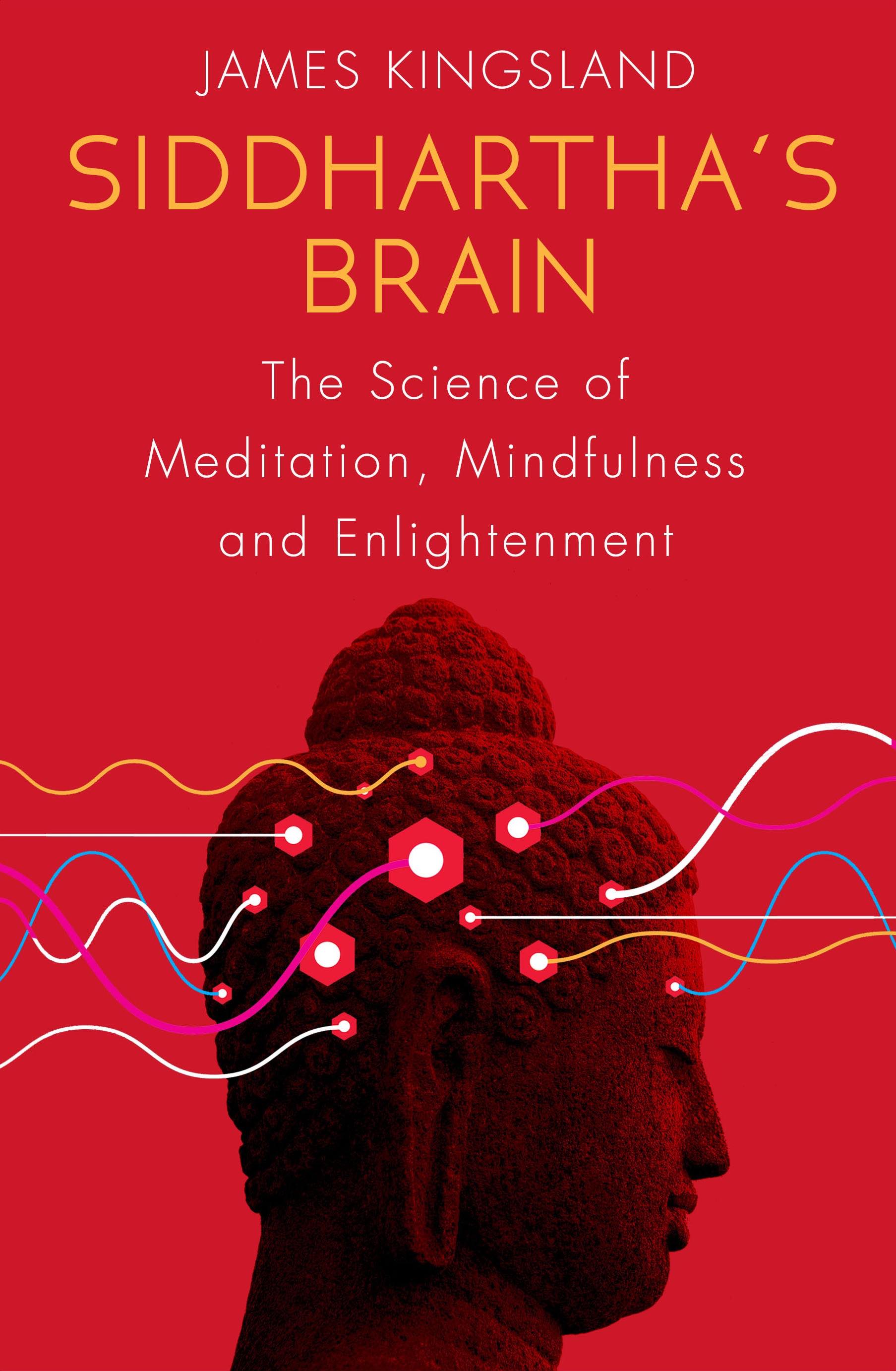
My new book Siddhartha’s Brain was published as a paperback in the UK on Thursday. The book is all about what meditation and mindfulness do to your brain, what it might mean to be “enlightened”, and why mindfulness-based therapies have been showing such promise as treatments for anxiety, depression and addiction.

I also explore the mystery of why human beings are so prone to mental illness. A potential answer may be found on the African savannah millions of years ago during the slow evolution of our ancestors into the most highly sociable apes on the planet.

Ed Halliwell – a former editor at FHM magazine and now a renowned mindfulness instructor – has suffered from debilitating bouts of anxiety and depression for much of his adult life. Published in the UK on the same day as Siddhartha’s Brain, Into the Heart of Mindfulness provides moving, first-hand testimony of how mindfulness can help people with mental illness get their lives back on track – and provides a perfect complement to my own book.

The story of the spiritual journey of Siddhartha Gautama, from spoilt prince to perfectly enlightened Buddha, is my backdrop – though it goes without saying you don’t have to be a Buddhist to practise mindfulness and improve your own wellbeing. All you need is a standard-issue human brain and a little dedication.

If you’re interested, read the extract published in last weekend’s Observer Magazine, find out more about my motivation for writing the book on a recent blogpost to mark its publication in the US, or listen to a short extract from the audiobook, read by the wonderful Steven Crossley.

If you’ve already read Siddhartha’s Brain or are reading it I’d love to know what you think. I can usually be found hanging out on Twitter @JamesAKingsland.