 Meditating can be hard, lonely work, but if recent research is to be believed there may be a quick-and-dirty shortcut to enlightenment: psychedelic drugs. According to an exploratory study, drinking the hallucinogenic brew ayahuasca can bring about improvements in mindfulness that would take years of dedicated meditation to achieve. The research found that ayahuasca raised mindfulness abilities to levels equal to or even greater than those of people who have been practising meditation for around seven years.
Tag: Mindfulness
Meditation and psychosis

There’s something weird going on in the field of meditation and mindfulness research. On the one hand there are voices warning that meditation can cause psychosis – leading people to lose touch with reality and experience symptoms such as hallucinations, delusions and disturbing thoughts – on the other there are equally persuasive voices claiming that it should be used to treat psychosis. Continue reading “Meditation and psychosis”
Dalai Lama enlightens and enraptures contemplative scientists in Boston

When the Dalai Lama began a dialogue with cognitive scientists in 1987 to explore how the insights gained by Buddhist contemplatives could be used to inform research and find new ways to promote human wellbeing, he could not have imagined that businesses and even the US military would one day want to harness some of those insights. Continue reading “Dalai Lama enlightens and enraptures contemplative scientists in Boston”
From monks to the military: has mindfulness gone too far?

I recently stayed at Amaravati Buddhist Monastery at Great Gaddesden in Hertfordshire, enjoying not only the quiet, reflective atmosphere of this sanctuary of calm in the Chiltern Hills but also many interesting conversations with fellow guests and staff. One of the things that came up was the unease that many Buddhists feel about the spread of mindfulness training in recent years from contemplative and clinical settings into business and finance, and even the military. Mindfulness training is now being used not just to help people cope with the stresses, anxieties and pains of everyday life – and perhaps to become a little more enlightened – but to gain a competitive edge in the marketplace and on the battlefield.
Instinctively, it feels wrong that this peaceful practice has been co-opted for such purposes and is being taught without the essential moral elements of Buddhism such as compassion and selflessness. Continue reading “From monks to the military: has mindfulness gone too far?”
Is this the brain’s mindfulness switch?


Journalists adore research that allows them to write stories along the lines of “scientists have tracked down the brain’s love HQ” or “researchers have located the brain’s god spot”. It is very satisfying to imagine that we can divide the brain into neat components with distinct functions like the parts of a car engine. We dream that one day, neuroscientists will be able to lift the bonnet (or the hood if it’s an American brain), point and say “here’s the valve that causes schizophrenia – we can readjust that with this chemical spanner. Here’s the tank that causes OCD when it overflows – we can drain that by turning this tap here. Over there are the spark plugs that we clean up to cure depression …”
Unfortunately the brain is a lot messier and more wonderful than your average motor engine, which is why we’re still standing over it scratching our heads trying to figure out how on earth it all works. It’s a tangle of connections, with myriad networks of components involved in creating thoughts, consciousness, sensations and emotions.
So it is with a mixture of excitement and wariness that I approach a study by researchers at Beijing Normal University in China that seems to point to a particular part of the brain that switches mindfulness on and off. It’s called the thalamus (shown in red on the animated gif), a pair of bulbous structures that sit at the top of the brainstem (yellow) on the midline of the brain. The thalamus plays a pivotal role as the brain’s switchboard, relaying information from all the senses apart from smell to the cerebral cortex, which is the thinking, conscious part of the brain. Continue reading “Is this the brain’s mindfulness switch?”
Mindful cycling: staying alert, staying alive
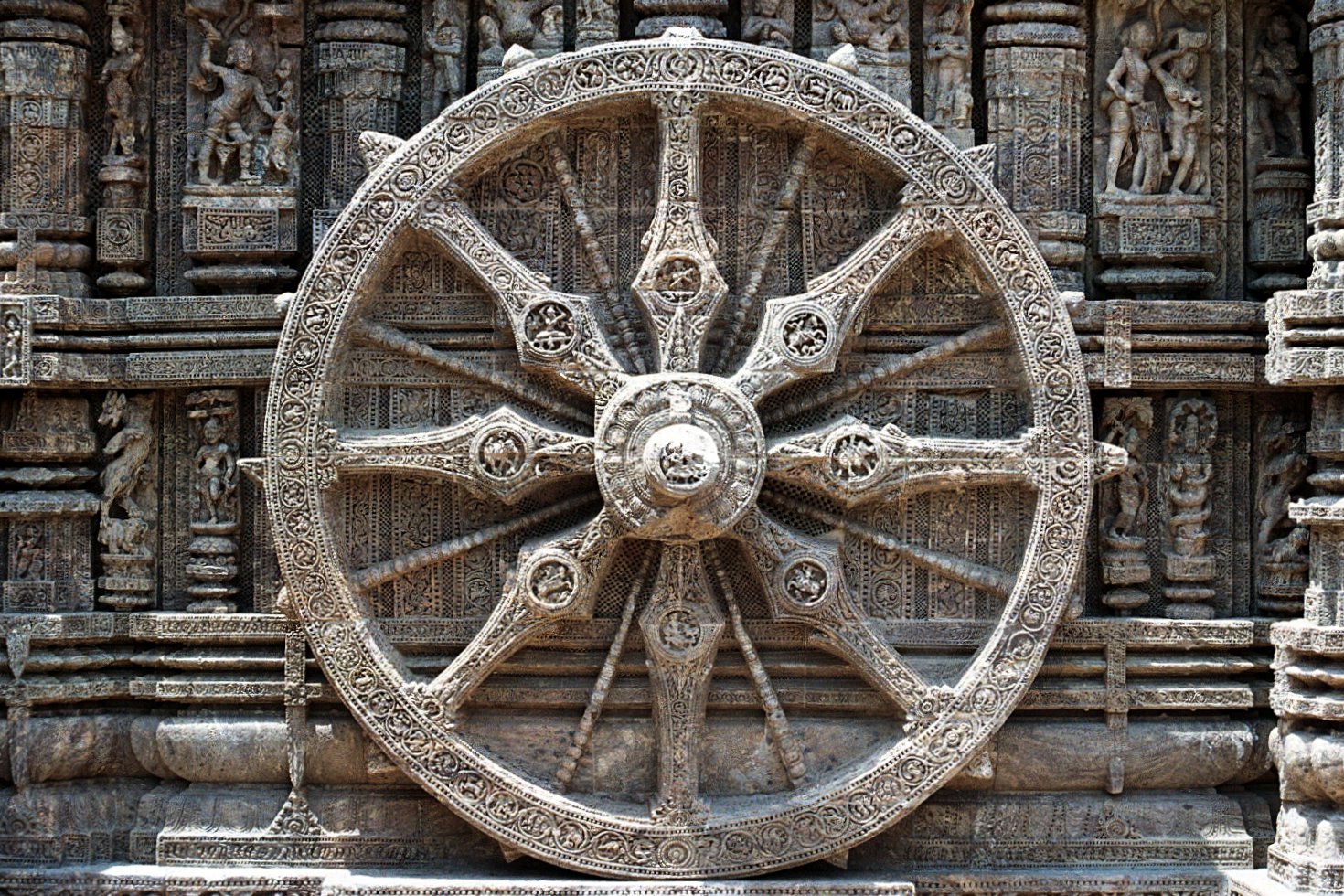
Mindfulness training courses and books will usually recommend everyday activities such as taking a shower or doing the washing-up as opportunities to exercise your powers of concentration. The idea is that by focusing on these simple, routine tasks – paying attention to what your body is doing and what your senses are telling you – you can calm the wayward thoughts that for the rest of the day chase each other through the corridors of your mind like overexcited children.
Humdrum activities that don’t require much brainpower, such as washing the dishes and showering, are perfectly good ways to practise your mind-taming skills, but their very ordinariness can make them a challenge. It’s a struggle to stay focused.
I know, that’s the idea – to be mindful even of the mundane – but for a novice like me, how much easier it would be to apply mindfulness to an everyday task that involves a more stimulating visual scene, loud noises, physical exertion and the ever present threat of injury? Continue reading “Mindful cycling: staying alert, staying alive”
Meditation or medication for depression? A reality check

There was good news last week about the effectiveness of mindfulness meditation for easing anxiety, depression and pain. Mail Online reported that a study had found “meditation ‘works just as well as anti-depressants’: half an hour a day offers as much relief as tablets”, while The Boston Globe said those who took mindfulness classes experienced improvement in mood after eight weeks “on par with the effect seen with prescription medications”.
This was all perfectly true. A review published in JAMA Internal Medicine had looked at all the best studies to date and concluded that there was “moderate evidence” of improved anxiety, depression and pain among patients. The effect on mild depression was indeed equal to that achieved with anti-depressants.
Like me, though, you may be a bit underwhelmed by that phrase “moderate evidence”. It’s hardly a ringing endorsement, but better than “low evidence” – which was what the reviewers concluded about the efficacy of meditation for improving stress/distress and mental health-related quality of life. Continue reading “Meditation or medication for depression? A reality check”
Meditation for pain relief
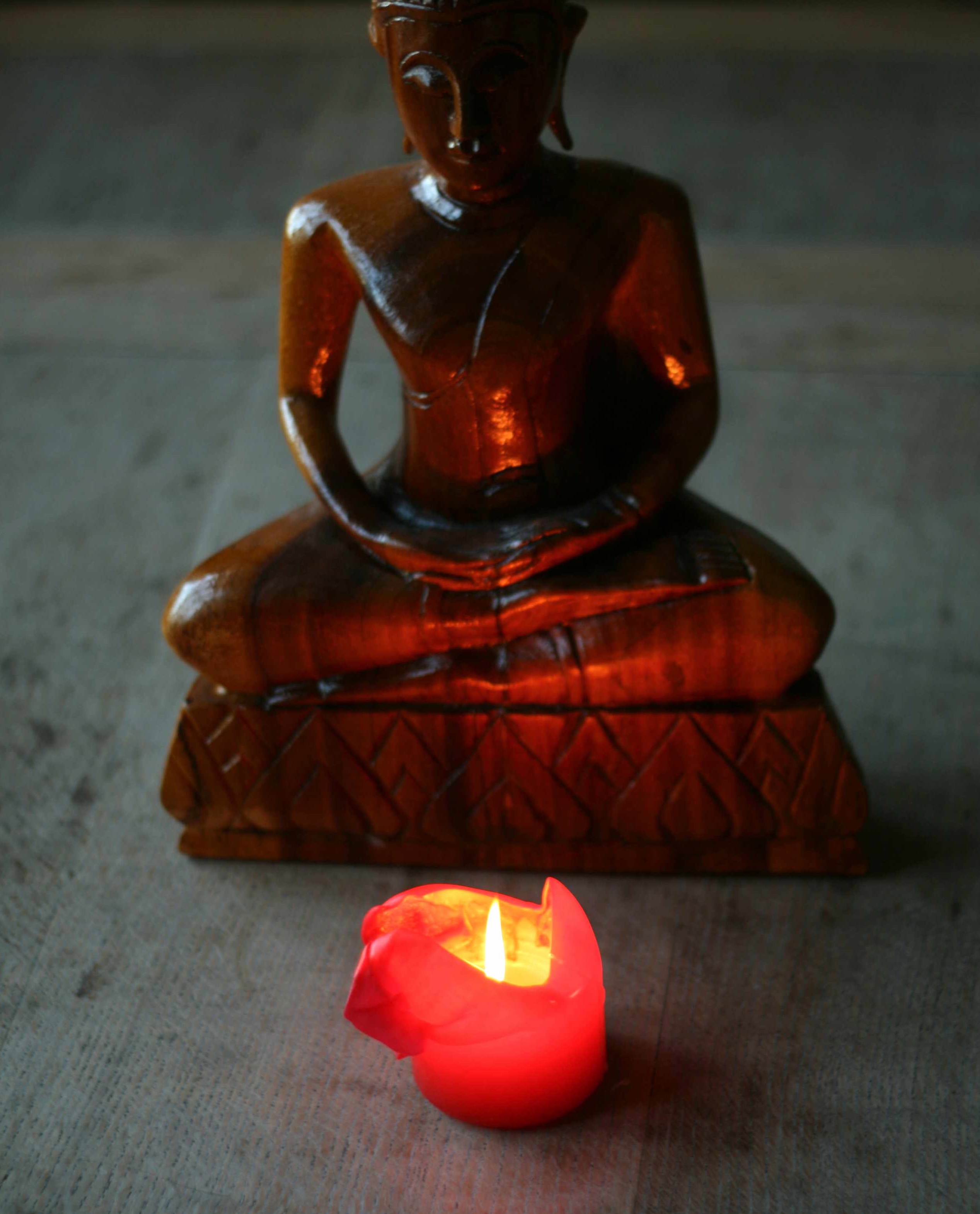
Pain is a fact of life: it can be dulled with drugs, but sometimes it’s just too intense or too persistent. Then we have to learn to live with it.
Buddhist monks are adept at doing this when they sit immobile in meditation, remaining straight-backed in the lotus position for hours on end. They are thought to achieve this by “uncoupling” the sensation of pain from their emotional reaction to it. This is more than just a parlour trick. Monks protesting the Chinese occupation of Tibet have shown they are capable of sitting unflinching as they burn to death. Continue reading “Meditation for pain relief”
Can mindfulness help preserve grey matter in Parkinson’s disease?
Parkinson’s is the second most common neurodegenerative disease after Alzheimer’s. It affects 7 million people around the world, including one million people in the US and about 127,000 in the UK. The condition is caused by the death of nerve cells in the brain that produce the neurotransmitter dopamine, and its physical symptoms include tremor, rigidity and slowness of movement. There are also psychological effects, especially anxiety and depression.
You would expect mindfulness-based interventions to alleviate the psychological symptoms of Parkinson’s – mindfulness has proved its worth at reducing both anxiety and depression – but a recent study suggests mindfulness training could also address some of the physical changes in the brain. An eight-week course of mindfulness training seemed to increase the density of grey matter in two areas of the brain associated with the disease. Continue reading “Can mindfulness help preserve grey matter in Parkinson’s disease?”
Walking with the Buddha: a great photo opportunity?
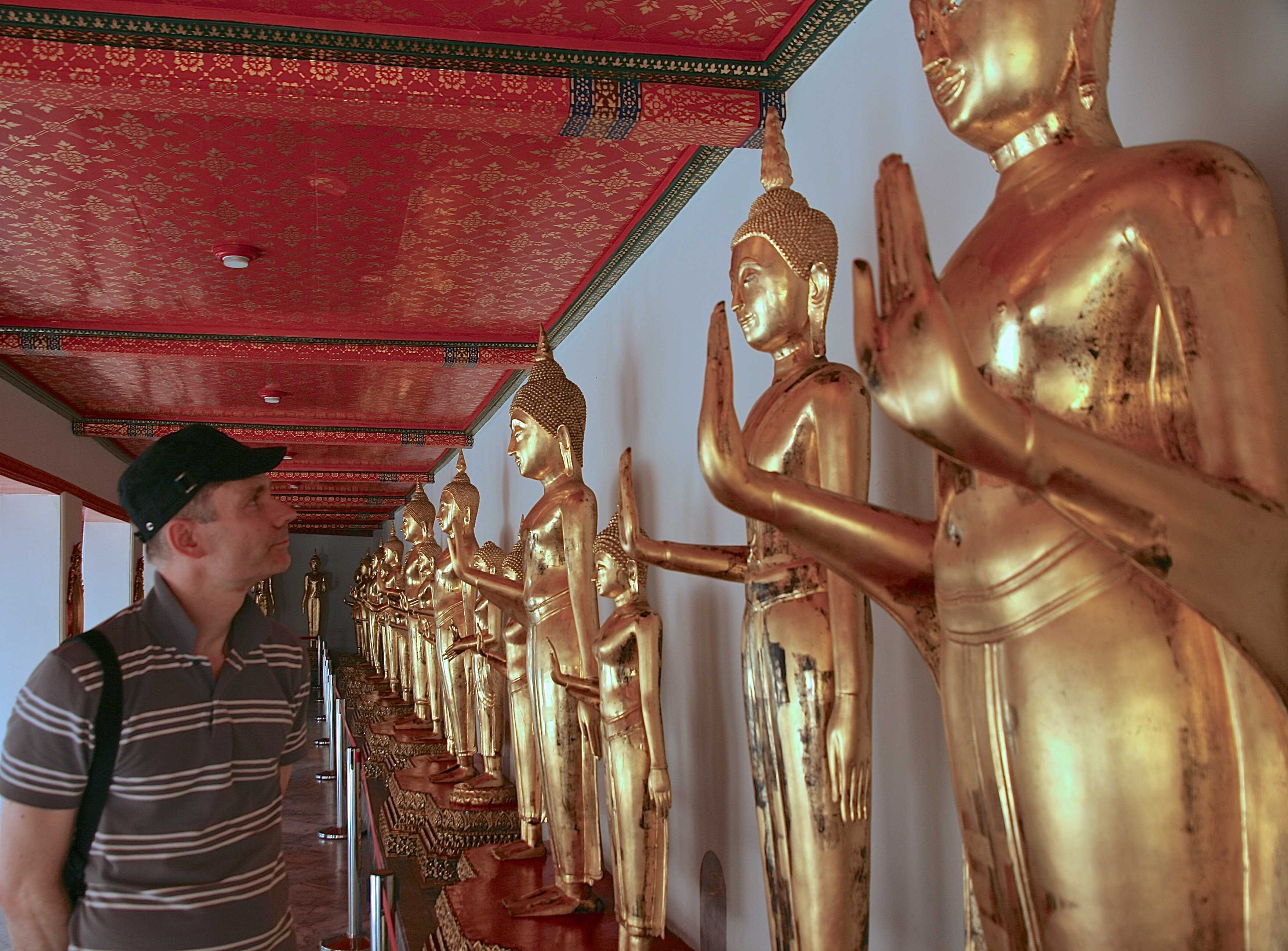
How we love our celebrities, even those of us who profess to be aloof from all that sort of thing. Special guests are often invited to morning conference at the newspaper where I work. These newsworthy people say whatever is on their mind and answer questions – all off-the-record. We’ve had some big names, heroes to many of us – Richard Dawkins, David Attenborough, Russell Brand, Jesse Jackson – and on these occasions the meeting room overflows with discretely adoring fans.
After Russell Brand’s appearance, in which he won us over with his wit and often obscene comic genius, many stayed behind to have their picture taken with him. Even feminist journalists, who might have baulked at his unashamed objectification of women, had fallen under his spell and elbowed their way through the crowd to get a priceless “selfie” on their smartphones with him. Continue reading “Walking with the Buddha: a great photo opportunity?”
 Plastic Brain