
What happens in the brain during nondual meditation?

In nondual meditation, the mist can clear to reveal a previously hidden path. Credit: Neil Williamson/Flickr

Research has shown that focused attention (FA) meditation can combat stress, and that open monitoring (OM) can help with emotion regulation. A more advanced technique, known as “nondual” or “open awareness”, begins to dissolve the illusory distinctions between oneself and the rest of the world, and can even provide meditators with flashes of creative or spiritual insight.

Nondual awareness is a state of mind that helps people to think outside their boxes – the “boxes” being our established mental models of how the world works and our place in it.

We build these mental models through learning over the course of a lifetime. They are invaluable, but over time they can become increasingly rigid and unfit for purpose. Rather than helping, they perpetuate old habits and preclude fresh insights.

Continue reading “What happens in the brain during nondual meditation?”
Can acid dissolve the social isolation of autism and Asperger’s syndrome?

eyes
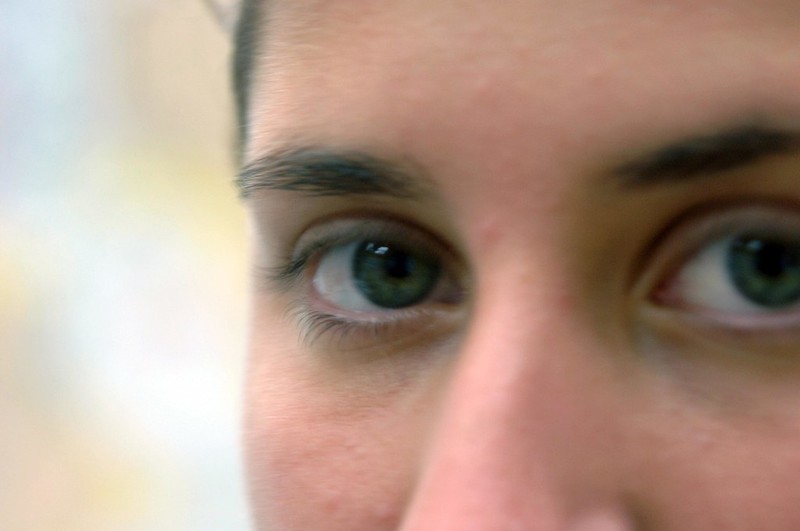
An inability to intuit other people’s thoughts, emotions and intentions in their eyes is a hallmark of autism and Asperger’s. Photograph: Lior Mosko/Flickr

Aaron Paul Orsini felt utterly alone in the world: emotionally numb and devoid of any sense of connection with anybody, including himself. Sunk deep in depression since his teens, he spent much of his time alone in his bedroom, as he puts it, “trying to figure out how the game of being human worked … I kept going to therapy. I kept reading books. I kept working at my desk job. I kept trying new medications. I kept failing, time and time again, with the simple act of identifying the emotional needs of myself and others.”

He spoke to his therapist about his struggles to maintain contact with friends and make new ones, “and how even one-on-one moments felt very confusing at times. I was physically close to people such as my girlfriend, but still very much emotionally distant, from her, myself, and really, everyone in my life.”

At 23 he was at last given a diagnosis that made sense of his tortured efforts to connect socially: autism spectrum disorder. But while the revelation was intellectually interesting, he says, it left him in precisely the same bind: unable to make sense of his own emotions or others’, “feeling irretrievably broken” and increasingly having thoughts about ending it all. Continue reading “Can acid dissolve the social isolation of autism and Asperger’s syndrome?”