Meditation and psychosis

Meditation

There’s something weird going on in the field of meditation and mindfulness research. On the one hand there are voices warning that meditation can cause psychosis – leading people to lose touch with reality and experience symptoms such as hallucinations, delusions and disturbing thoughts – on the other there are equally persuasive voices claiming that it should be used to treat psychosis. Continue reading “Meditation and psychosis”

Is this the brain’s mindfulness switch?

Thalamus small.gif

Journalists adore research that allows them to write stories along the lines of “scientists have tracked down the brain’s love HQ” or “researchers have located the brain’s god spot”. It is very satisfying to imagine that we can divide the brain into neat components with distinct functions like the parts of a car engine. We dream that one day, neuroscientists will be able to lift the bonnet (or the hood if it’s an American brain), point and say “here’s the valve that causes schizophrenia – we can readjust that with this chemical spanner. Here’s the tank that causes OCD when it overflows – we can drain that by turning this tap here. Over there are the spark plugs that we clean up to cure depression …”

Unfortunately the brain is a lot messier and more wonderful than your average motor engine, which is why we’re still standing over it scratching our heads trying to figure out how on earth it all works. It’s a tangle of connections, with myriad networks of components involved in creating thoughts, consciousness, sensations and emotions.

So it is with a mixture of excitement and wariness that I approach a study by researchers at Beijing Normal University in China that seems to point to a particular part of the brain that switches mindfulness on and off. It’s called the thalamus (shown in red on the animated gif), a pair of bulbous structures that sit at the top of the brainstem (yellow) on the midline of the brain. The thalamus plays a pivotal role as the brain’s switchboard, relaying information from all the senses apart from smell to the cerebral cortex, which is the thinking, conscious part of the brain. Continue reading “Is this the brain’s mindfulness switch?”

Growing old stressfully: chronic stress and prematurely aged cells

Human chromosomes showing telomeres
Human chromosomes (grey) capped by telomeres (white). Photograph: public domain

Forty years ago, the Whitehall Study of men working for Britain’s Civil Service famously revealed that those at the bottom of the pecking order were much more likely to die prematurely than those at the top – regardless of other risk factors such as smoking. They had higher mortality rates from all causes, but especially heart disease.

So the lowly paid doorman, whether or not he was a heavy smoker, was more likely to drop dead than the clerk sitting at his desk all day earning more money. As ever, life was deeply unfair. But what was the biological explanation for this health inequality? One theory was that the stress and lack of control over their working lives experienced by men in lowlier jobs were putting their health at risk, though how that worked physiologically was anyone’s guess. Continue reading “Growing old stressfully: chronic stress and prematurely aged cells”

Meditation or medication for depression? A reality check

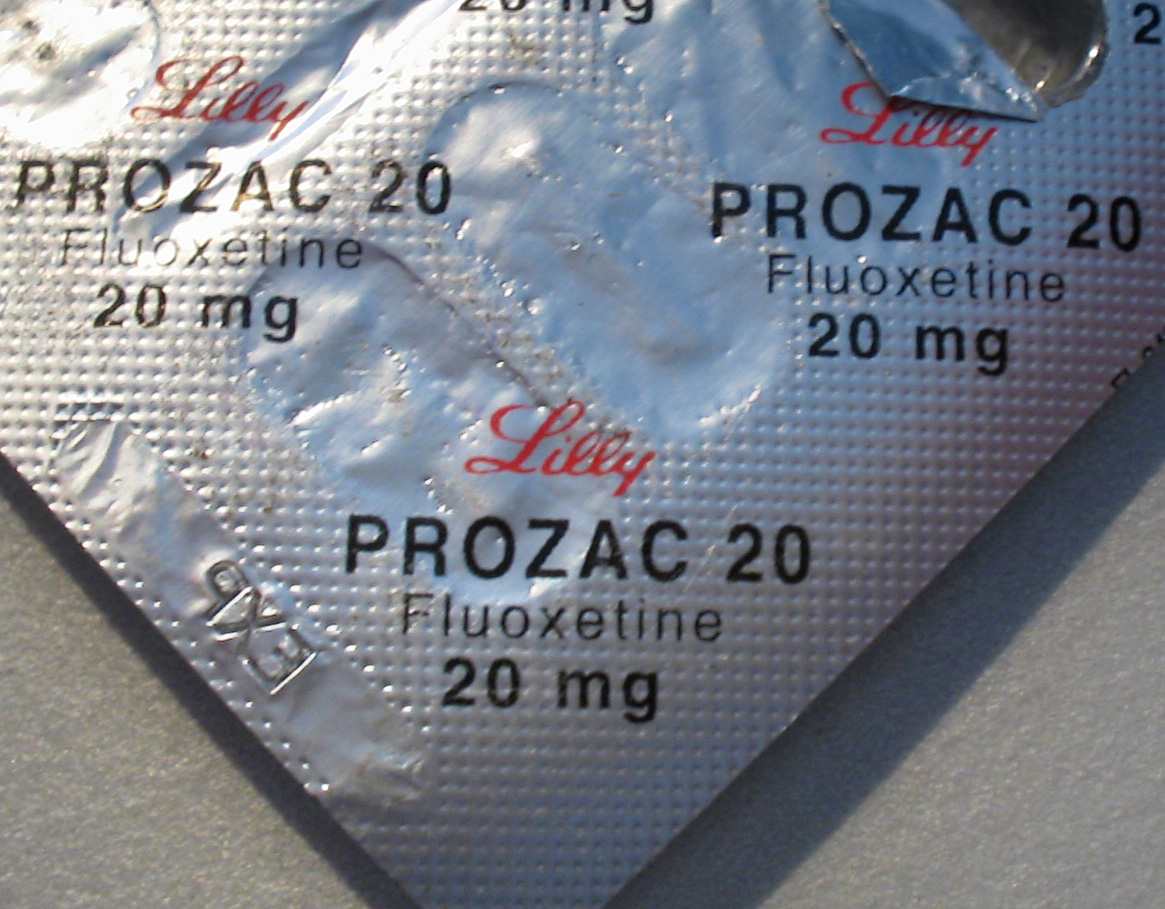
Prozac (fluoxetine) antidepressant pills
Research has suggested meditation is as effective as taking an antidepressant for mild depression

There was good news last week about the effectiveness of mindfulness meditation for easing anxiety, depression and pain. Mail Online reported that a study had found “meditation ‘works just as well as anti-depressants’: half an hour a day offers as much relief as tablets”, while The Boston Globe said those who took mindfulness classes experienced improvement in mood after eight weeks “on par with the effect seen with prescription medications”.

This was all perfectly true. A review published in JAMA Internal Medicine had looked at all the best studies to date and concluded that there was “moderate evidence” of improved anxiety, depression and pain among patients. The effect on mild depression was indeed equal to that achieved with anti-depressants.

Like me, though, you may be a bit underwhelmed by that phrase “moderate evidence”. It’s hardly a ringing endorsement, but better than “low evidence” – which was what the reviewers concluded about the efficacy of meditation for improving stress/distress and mental health-related quality of life. Continue reading “Meditation or medication for depression? A reality check”

Meditation for pain relief

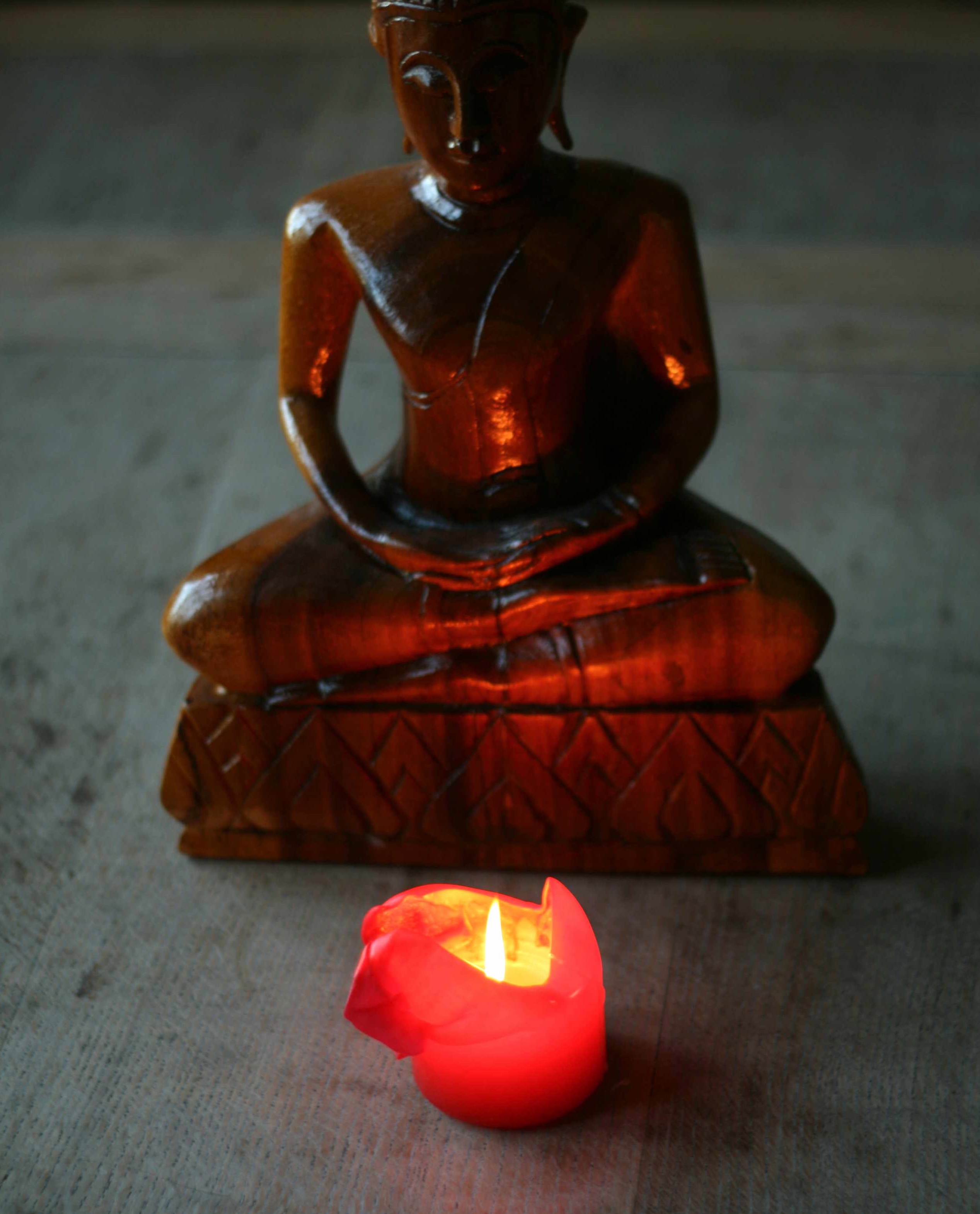
Candle and Buddha
Pain is relieved by suppressing the “mental narratives” and “self-related processes” that usually exacerbate it

Pain is a fact of life: it can be dulled with drugs, but sometimes it’s just too intense or too persistent. Then we have to learn to live with it.

Buddhist monks are adept at doing this when they sit immobile in meditation, remaining straight-backed in the lotus position for hours on end. They are thought to achieve this by “uncoupling” the sensation of pain from their emotional reaction to it. This is more than just a parlour trick. Monks protesting the Chinese occupation of Tibet have shown they are capable of sitting unflinching as they burn to death. Continue reading “Meditation for pain relief”

Electrical brain stimulation for soldiers: a shot in the dark

German soldiers
Noninvasive brain stimulation could enhance the effectiveness of military training and improve the performance of soldiers on the battlefield, but its collateral effects on the mind are largely unknown. Photograph: public domain

Ever since the invention of the two-handed club, warfare and technology have been inextricably linked. More often than not, the humans who are sent into battle have been mere pawns in these hi-tech contests. So we shouldn’t be surprised if the military are eying up one of the most exciting new technologies in neuroscience, noninvasive brain stimulation (NIBS), which uses electrical or magnetic fields to remotely influence the activity of particular parts of the brain and could boost physical and mental performance. Continue reading “Electrical brain stimulation for soldiers: a shot in the dark”

Uncanny synchronicity in the brain during near death experiences and meditation

Stone Buddha head enveloped by roots
The Buddha is said to have entered a state of deep meditation as he died

People who have had a near-death experience commonly report a sense of wellbeing and peace, detachment from the world, the feeling of being outside their own body, and seeing a bright light. People who meditate deeply often report very similar sensations. Research reported yesterday in the journal PNAS suggests what may link the two experiences. Continue reading “Uncanny synchronicity in the brain during near death experiences and meditation”

Cigarettes and cupcakes: mindfulness meditation reduces craving

Delicious cupcakes
Resistance is useless: it just makes the craving worse

Life is so unfair. Trying to give up something you’re addicted to just makes you crave that thing even more, whether it’s cigarettes, alcohol or sugar. You’re caught in a Catch-22: you want to quit, but the more you try, the harder it gets to resist temptation. Perhaps the key is not to try so damn hard, but instead improve your brain’s capacity for self-control.

It might just work… Continue reading “Cigarettes and cupcakes: mindfulness meditation reduces craving”

The Universe in a Single Atom by His Holiness the Dalai Lama – review

Wimbledon Buddhist temple
The Buddhapadipa temple in Wimbledon, UK, which offers meditation classes for beginners

The Dalai Lama wants every cognitive scientist to learn how to meditate. He believes this will give them insights into the mind and consciousness that plastering electrodes on scalps or scanning brains with powerful magnetic fields never could.

Whereas a scientist looks at the mind from the outside, he says, an experienced meditator examines it from within. Neither sees the whole picture and so we could learn a great deal by combining the two perspectives. Continue reading “The Universe in a Single Atom by His Holiness the Dalai Lama – review”

Introducing Plastic Brain

walnuts

His Holiness the Dalai Lama keeps a plastic brain with detachable labelled components on the desk in his office in Dharamsala, India. It was a gift from his friend the late Robert Livingstone, a neuroscientist at the University of California, San Diego, whom he credits with opening his eyes to the findings of modern biology. Livingstone founded the world’s first department of neuroscience at UCSD in 1965 and dedicated his career to linking the anatomy of the brain to the workings of the mind.

That, in a nutshell, is why I’ve called my new blog Plastic Brain. For me, the model brain sitting on the Dalai Lama’s desk symbolises the way ancient contemplative practices and science have come together over the past three decades as the gulf between the intangible mind and the inscrutable brain has narrowed. These are exciting times for neuroscience and psychology. Continue reading “Introducing Plastic Brain”