Growing old stressfully: chronic stress and prematurely aged cells

Human chromosomes showing telomeres
Human chromosomes (grey) capped by telomeres (white). Photograph: public domain

Forty years ago, the Whitehall Study of men working for Britain’s Civil Service famously revealed that those at the bottom of the pecking order were much more likely to die prematurely than those at the top – regardless of other risk factors such as smoking. They had higher mortality rates from all causes, but especially heart disease.

So the lowly paid doorman, whether or not he was a heavy smoker, was more likely to drop dead than the clerk sitting at his desk all day earning more money. As ever, life was deeply unfair. But what was the biological explanation for this health inequality? One theory was that the stress and lack of control over their working lives experienced by men in lowlier jobs were putting their health at risk, though how that worked physiologically was anyone’s guess. Continue reading “Growing old stressfully: chronic stress and prematurely aged cells”
Meditation or medication for depression? A reality check

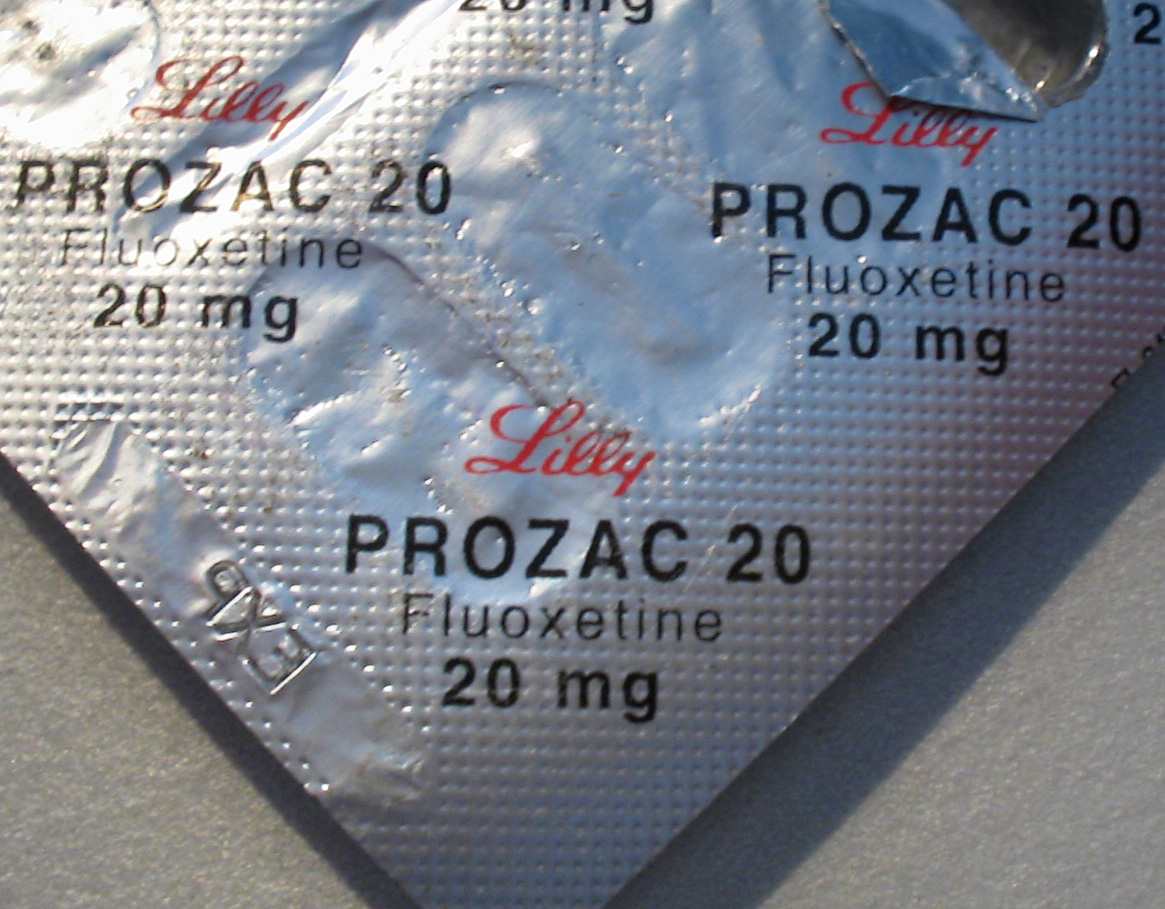
Prozac (fluoxetine) antidepressant pills
Research has suggested meditation is as effective as taking an antidepressant for mild depression

There was good news last week about the effectiveness of mindfulness meditation for easing anxiety, depression and pain. Mail Online reported that a study had found “meditation ‘works just as well as anti-depressants’: half an hour a day offers as much relief as tablets”, while The Boston Globe said those who took mindfulness classes experienced improvement in mood after eight weeks “on par with the effect seen with prescription medications”.

This was all perfectly true. A review published in JAMA Internal Medicine had looked at all the best studies to date and concluded that there was “moderate evidence” of improved anxiety, depression and pain among patients. The effect on mild depression was indeed equal to that achieved with anti-depressants.

Like me, though, you may be a bit underwhelmed by that phrase “moderate evidence”. It’s hardly a ringing endorsement, but better than “low evidence” – which was what the reviewers concluded about the efficacy of meditation for improving stress/distress and mental health-related quality of life. Continue reading “Meditation or medication for depression? A reality check”

Meditation for pain relief

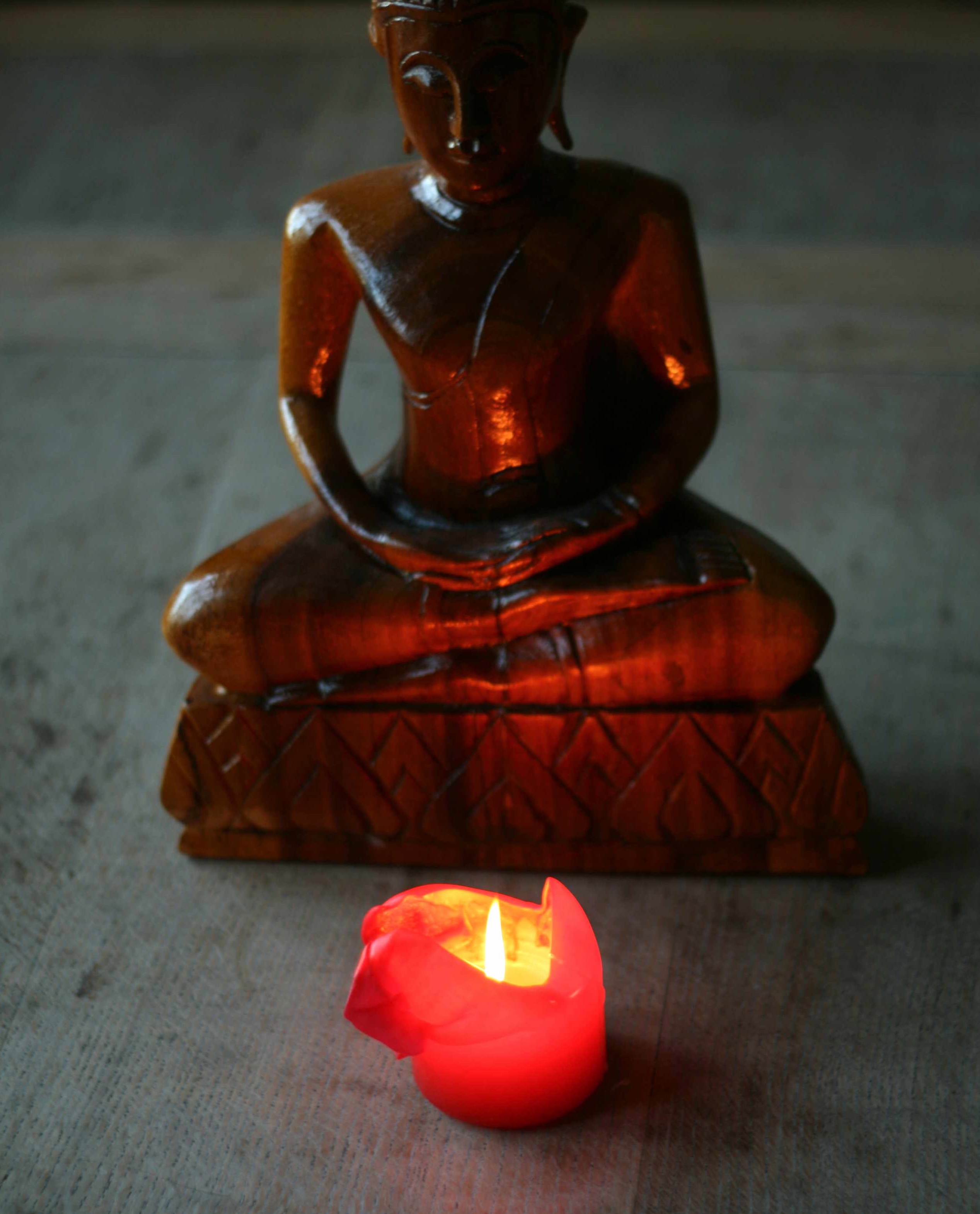
Candle and Buddha
Pain is relieved by suppressing the “mental narratives” and “self-related processes” that usually exacerbate it

Pain is a fact of life: it can be dulled with drugs, but sometimes it’s just too intense or too persistent. Then we have to learn to live with it.

Buddhist monks are adept at doing this when they sit immobile in meditation, remaining straight-backed in the lotus position for hours on end. They are thought to achieve this by “uncoupling” the sensation of pain from their emotional reaction to it. This is more than just a parlour trick. Monks protesting the Chinese occupation of Tibet have shown they are capable of sitting unflinching as they burn to death. Continue reading “Meditation for pain relief”

Can mindfulness help preserve grey matter in Parkinson’s disease?

Parkinson's: Man on a park bench with autumn trees
A study suggests mindfulness could increase grey matter density in areas of the brain affected by Parkinson’s disease

Parkinson’s is the second most common neurodegenerative disease after Alzheimer’s. It affects 7 million people around the world, including one million people in the US and about 127,000 in the UK. The condition is caused by the death of nerve cells in the brain that produce the neurotransmitter dopamine, and its physical symptoms include tremor, rigidity and slowness of movement. There are also psychological effects, especially anxiety and depression.

You would expect mindfulness-based interventions to alleviate the psychological symptoms of Parkinson’s – mindfulness has proved its worth at reducing both anxiety and depression – but a recent study suggests mindfulness training could also address some of the physical changes in the brain. An eight-week course of mindfulness training seemed to increase the density of grey matter in two areas of the brain associated with the disease. Continue reading “Can mindfulness help preserve grey matter in Parkinson’s disease?”

Meditation changes the sleeping brain | Mindfulness research roundup

Man sleeping on a bench
Distinctive electrical activity has been found in the sleeping brains of experienced meditators

This month’s roundup of mindfulness research features studies of meditation’s effects on the sleeping brain; mindfulness for hypertension; and mindfulness-based cognitive therapy for depression in adolescents. Continue reading “Meditation changes the sleeping brain | Mindfulness research roundup”

Electrical brain stimulation for soldiers: a shot in the dark

German soldiers
Noninvasive brain stimulation could enhance the effectiveness of military training and improve the performance of soldiers on the battlefield, but its collateral effects on the mind are largely unknown. Photograph: public domain

Ever since the invention of the two-handed club, warfare and technology have been inextricably linked. More often than not, the humans who are sent into battle have been mere pawns in these hi-tech contests. So we shouldn’t be surprised if the military are eying up one of the most exciting new technologies in neuroscience, noninvasive brain stimulation (NIBS), which uses electrical or magnetic fields to remotely influence the activity of particular parts of the brain and could boost physical and mental performance. Continue reading “Electrical brain stimulation for soldiers: a shot in the dark”

Walking with the Buddha: a great photo opportunity?

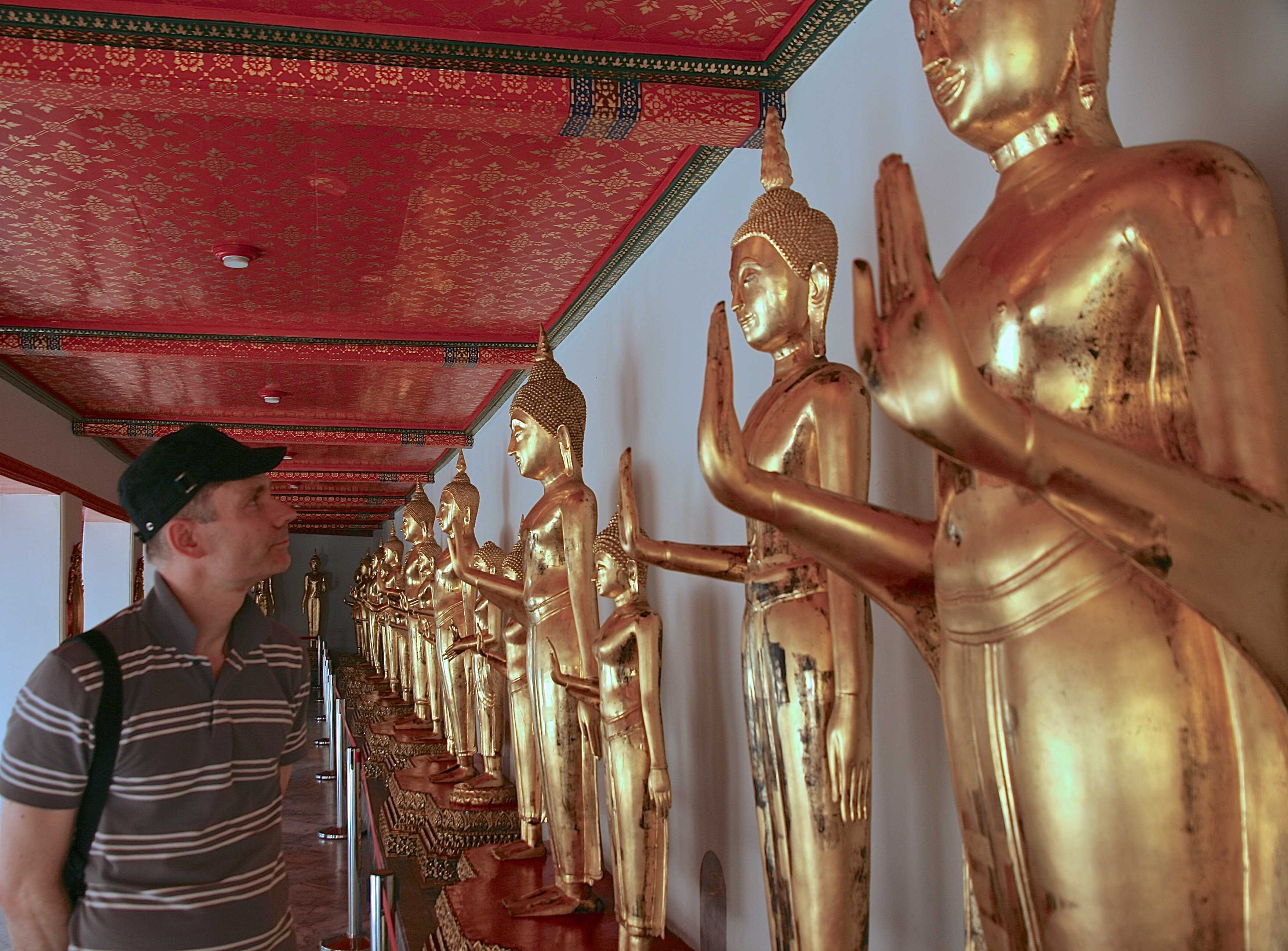
Buddha statues in the Grand Palace, Bangkok, Thailand
Being there is a concept, and the Buddha that you see is a mere appearance. You cannot photograph the real Buddha, even if you have a very expensive camera’

How we love our celebrities, even those of us who profess to be aloof from all that sort of thing. Special guests are often invited to morning conference at the newspaper where I work. These newsworthy people say whatever is on their mind and answer questions – all off-the-record. We’ve had some big names, heroes to many of us – Richard Dawkins, David Attenborough, Russell Brand, Jesse Jackson – and on these occasions the meeting room overflows with discretely adoring fans.

After Russell Brand’s appearance, in which he won us over with his wit and often obscene comic genius, many stayed behind to have their picture taken with him. Even feminist journalists, who might have baulked at his unashamed objectification of women, had fallen under his spell and elbowed their way through the crowd to get a priceless “selfie” on their smartphones with him. Continue reading “Walking with the Buddha: a great photo opportunity?”

Research roundup: mindfulness for young offenders and breast cancer survivors, and brain-training for the elderly

handcuffs
Can mindfulness help prevent the downward spiral into emotional disturbance and impulsive behaviour in stressful environments such as prisons and young offenders institutions?

This month’s roundup of brain plasticity and mindfulness research features adolescents in young offenders institutions, women who have survived breast cancer, and a brain-training game for older people. For a complete list of mindfulness research published last month, check out the wonderful Mindfulness Research Guide. Continue reading “Research roundup: mindfulness for young offenders and breast cancer survivors, and brain-training for the elderly”

Mindfulness monthly: irate taxi drivers, craving and paranoia

London taxi
A London taxi. Angry driving is bad driving. Photograph: Ed_g2s/Wikimedia Commons

Driving a stifling taxi cab on clogged city streets for hour after hour – scared half to death by careless pedestrians stepping into the road, harangued by passengers late for their lunch appointments, exasperated by the incompetence of your fellow drivers – would tax the patience of Mahatma Gandhi.

These men and women deserve our sympathy. They need our help to get through their shift without winding down the window and shouting obscenities at the next person who annoys them. Or worse. Quite apart from the danger to other road users, there is also ample evidence that anger can lead to a heart attack and raises the risk of heart disease.

Anger management

Psychologists have investigated the causes and consequences of aggressive, angry driving, but much less attention has been paid to strategies for preventing it. There have been a few attempts to measure how good cognitive behavioural therapy (CBT) and mindfulness-based cognitive therapy (MBCT) are at changing the attitudes and responses of angry drivers to certain cues, but now researchers in Iran have conducted the first study to compare the effectiveness of these two approaches. Continue reading “Mindfulness monthly: irate taxi drivers, craving and paranoia”